June is the month your garden shifts into full stride, and the gardeners who reap a bountiful summer are the ones who work from a plan. Drawing on guidance from university extension services and gardening experts writing for USDA Zones 6-8, the essential work falls into four categories: planting heat-loving crops, maintaining water and fertility, patrolling for pests and disease, and harvesting early yields. One often-missed fifth task—planting now for late summer and fall color—rounds out the month.
June Planting: Embrace the Heat and Plan for Succession
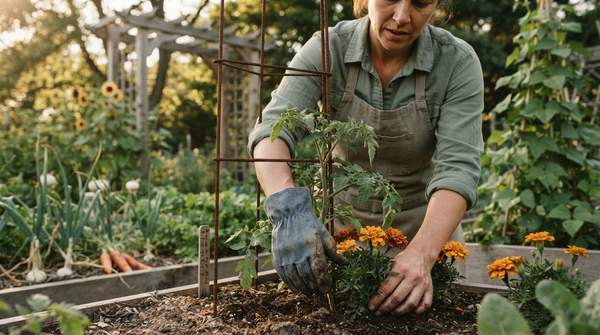
If you haven't yet set out your warm-season vegetables, June is still your window. Gardens That Matter recommends planting or transplanting eggplant, peppers, okra, melons, squash, and tomatoes now, and supporting tomato vines with stakes or cages—indeterminate varieties in particular need tall, sturdy training.
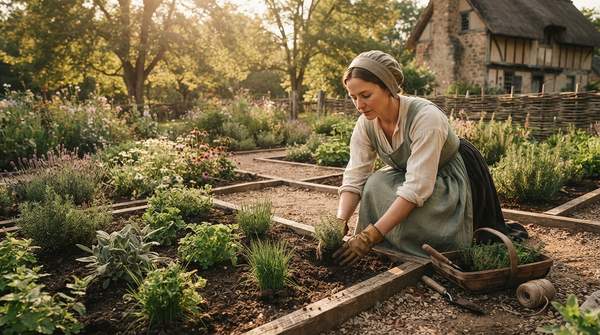
Succession planting matters just as much as the first planting. When you harvest spring vegetables, don't leave bare spots behind: add fresh compost and plant summer vegetables, sow a cover crop like buckwheat or oats, or at minimum lay down thick mulch to protect the soil and suppress weeds. The University of Arkansas System Division of Agriculture's June garden guide adds that pumpkins planted this month will be ready for Halloween jack-o'-lanterns, and that warm-season vegetables can be replanted as you harvest them.
Essential June Garden Maintenance for Thriving Plants
Water and mulch are the backbone of June care. The Arkansas extension guide advises monitoring rainfall and increasing watering frequency as weather warms, replenishing mulch as needed, and cleaning up the garden. Consistent moisture is what keeps plants vigorous enough to resist stress.
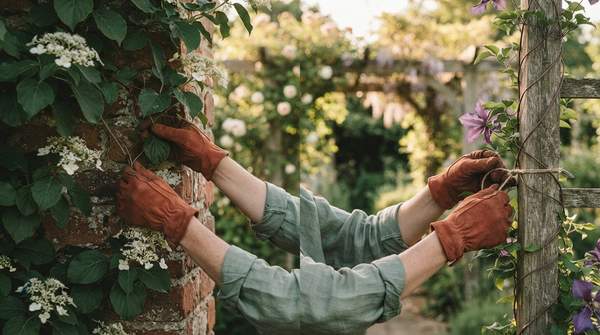
Feeding follows a rhythm: side-dress annuals with a balanced fertilizer every 4-6 weeks, and fertilize roses with a balanced rose fertilizer once the first flush of blooms fades. Pruning has its own June deadline—finish cutting back spring-blooming shrubs before the heat settles in. For big-leaf and oakleaf hydrangeas and gardenias, which set flower buds in fall, prune as soon as flowers fade, removing older, thicker canes at the soil line. Botanical Interests also reminds gardeners to check that trellises are firmly anchored, since a fully loaded vine puts surprising stress on its supports.