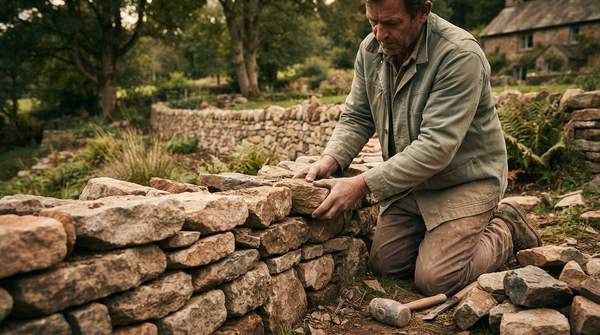
If you want a fence with genuine American character, your strongest options come down to three traditional styles: the snake or split-rail fence, the picket fence, and the dry-stack stone fence. Each carries its own history, its own region, and its own temperament. The right choice depends less on fashion than on three questions: what job must the fence do, what look do you want, and how much upkeep will you tolerate?
Introduction: Choosing Your Estate's Enduring Boundary
A fence is one of the few improvements that shapes how your entire property reads from the road. Fencing contractors consistently advise starting with the fence's job—privacy, security, boundary marking, or curb appeal—before settling on a style. The material you choose strongly influences both the functionality and the aesthetics of the finished fence, as Acosta Fence Company notes, so the style decision and the material decision are really one decision.
Traditional styles deserve a fresh look precisely because they were engineered, over generations, to solve problems that still exist: uneven ground, rocky soil, wandering livestock, and the desire to mark a place as yours. The Old Farmer's Almanac, surveying early American fence styles, documents how each style grew out of the materials a region had on hand. That logic still works today.