A successful home design project is rarely the result of one inspired idea. More often, it comes from a series of thoughtful decisions made in the right order, with the homeowner's goals guiding the process from beginning to end.
For Next Level Austin, that process starts with understanding the client. The Austin-area full-service design firm specializes in residential and commercial design and offers interior design, new-construction and remodeling services, and limited design consultation. Its residential approach combines personalized design with project coordination and installation support.
Understanding how that process works can help homeowners determine whether professional design support is appropriate for their next project.
Understanding the Homeowner Comes First
No two households use their homes in exactly the same way.
A family that regularly hosts guests may need different solutions from a couple seeking a quieter retreat. Someone working from home may prioritize a dedicated workspace, while another homeowner may place greater emphasis on entertaining areas or storage.
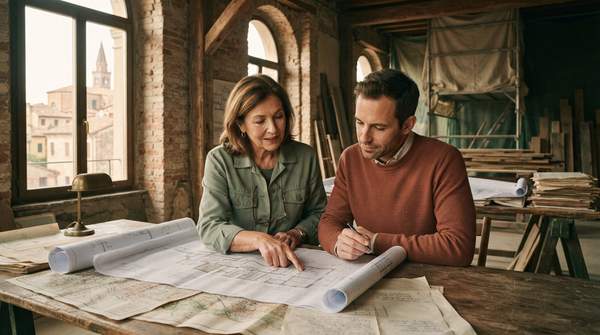
Next Level Austin's process begins with an introductory meeting to discuss the scope of work, primary goals, and desired aesthetic. Homeowners are invited to provide inspirational images and their own input so the team can better understand the direction they want to take.
That conversation is important because good design starts with the people who will actually use the space.
Establishing a Clear Direction
Once the project goals are understood, the next step is creating a design direction.
Next Level Austin describes its interior design service as a personalized design plan overseen by a Lead Designer and Project Manager. The firm emphasizes designs inspired by each client's tastes and lifestyle rather than a formulaic approach.
This can be especially useful when homeowners have multiple competing ideas.
A professional designer can help organize those preferences into a more cohesive vision, considering how materials, furnishings, colors, lighting, layouts, and architectural elements interact.
Thinking About Function as Well as Appearance
A successful interior should look good, but appearance alone is not enough.
Rooms need to support daily routines. Furniture needs to fit. Circulation needs to make sense. Lighting needs to serve the activities taking place in each area. Materials need to work within the project's requirements.
Next Level Austin's portfolio and project descriptions demonstrate an approach that considers both aesthetics and how spaces are used. Its design process also incorporates detailed elements such as furniture layouts, tile layouts, lighting, electrical planning, and hardware where applicable.
That combination helps transform design from decoration into a broader planning exercise.
Making Selections With the Bigger Picture in Mind
A home can contain dozens—or even hundreds—of individual selections.
Making those decisions independently can make it difficult to maintain consistency. A flooring choice may influence cabinetry. A fabric may affect the color palette. Lighting can change how materials appear. Furniture dimensions can determine how a room functions.
Next Level Austin's process involves working through selections with clients in an ongoing back-and-forth process. The firm says it uses client notes and preferences to guide selections while continuing to ensure that homeowners are comfortable with the choices as the project develops.
This collaborative aspect is important.
Professional design does not have to mean handing over every decision. Instead, the designer can provide expertise while the homeowner's preferences remain central to the process.
Coordinating With the Construction Team
Design becomes particularly complex when construction is involved.
For remodeling and new-construction projects, Next Level Austin works with clients, architects, and builders to develop the vision, create plans, determine selections, and steer the project toward completion.
The firm's residential process also includes sharing project notes with existing builders and architects and coordinating with builders throughout the project when applicable.
This coordination helps connect design intent with the practical realities of construction.
Managing the Moving Parts
Large projects generate a significant amount of logistics.
Next Level Austin's process includes coordinating purchases, shipments, appointments, returns, storage of materials and selections, CAD drawings, elevations, tile layouts, lighting, electrical, art, furniture, window treatments, hardware, and other requirements depending on the project.
This is one reason a full-service design approach can be valuable.
The homeowner is not simply purchasing a collection of products. Those products have to arrive at the right time, work with the project, and eventually be installed.
Carrying the Vision Through Installation
A finished design depends on execution.
Next Level Austin states that when project items arrive at its affiliate warehouse, its team manages installation using preferred professionals and oversees the details. The firm also describes addressing issues that arise during installation.
That final stage creates continuity between the original design and the finished environment.
Support for Smaller Projects
A full-service engagement is not the only option.
For smaller projects, Next Level Austin offers limited design consultation at an hourly rate. The firm specifically lists home staging, room layouts, and paint color consultations among examples of smaller projects.
This provides homeowners with the opportunity to access design expertise even when their needs do not involve a whole-home project.
A Process Built Around the Client
Ultimately, a successful home design project requires more than visual creativity.
It requires listening, planning, collaboration, organization, and attention to the details that connect one decision to another. Next Level Austin's approach combines those elements through a process that begins with understanding the client's goals and can continue through planning, selections, coordination, and installation.
For homeowners in the greater Austin area, that creates a structured way to move from inspiration to execution while keeping their own tastes, lifestyle, and project objectives at the center.


