Designers Embrace Unconventional Trends, Making Homes Weirder

Architectural Digest featured a record 12 homes in 2023 with non-rectangular room layouts or asymmetrical facades, a stark contrast to the three such homes showcased just four years prior.

IL
Ingrid Larson

June 10, 2026 · 3 min read

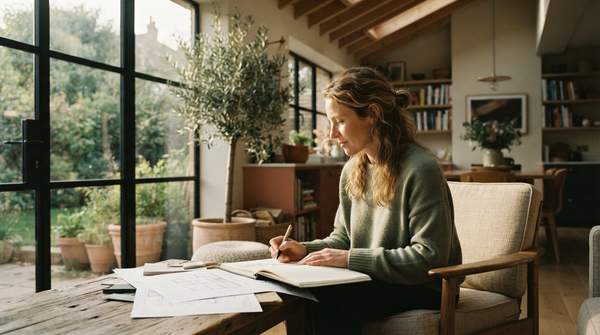
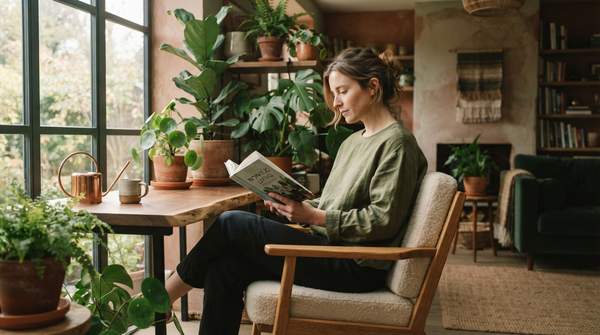
A surreal living room with curved walls, abstract furniture, and uniquely shaped windows, showcasing unconventional interior design.

Architectural Digest featured a record 12 homes in 2025 with non-rectangular room layouts or asymmetrical facades, a stark contrast to the three such homes showcased just four years prior. Designers are making homes weirder in 2026, moving away from conventional forms and embracing unique identities.

For years, home design has been dominated by sleek, neutral minimalism, but now designers and homeowners increasingly embrace bold, unconventional aesthetics that prioritize personal expression. A recent survey by the American Society of Interior Designers (ASID) found that 68% of designers reported an increase in client requests for 'unique' or 'statement' pieces over the past year.

Based on emerging trends in client requests, material innovation, and design philosophy, the residential landscape is likely to become significantly more diverse and idiosyncratic, challenging traditional notions of market appeal and resale value.

The Rise of the Unconventional Home

  • Sales of brightly colored and patterned wallpaper surged by 45% in the last two years, according to data from Home Decor Trends. A clear departure from subdued aesthetics signals a growing desire for sensory engagement.
  • The 'maximalism' aesthetic, with its bold patterns, rich textures, and curated clutter, has seen a 300% increase in Pinterest searches since 2020, according to the Pinterest Trends Report. A widespread search for tangible authenticity, it counters the increasingly virtual nature of daily digital interactions.

These shifts suggest a profound consumer desire to imbue living spaces with personal narrative, moving beyond mere aesthetics.

Innovations Pushing Design Boundaries

Designers are experimenting with unconventional materials like reclaimed industrial waste, 3D-printed bioplastics, and mushroom-based composites for furniture and finishes, according to Design Futures Magazine. The experimentation with unconventional materials transcends decor, fundamentally re-imagining spatial form.
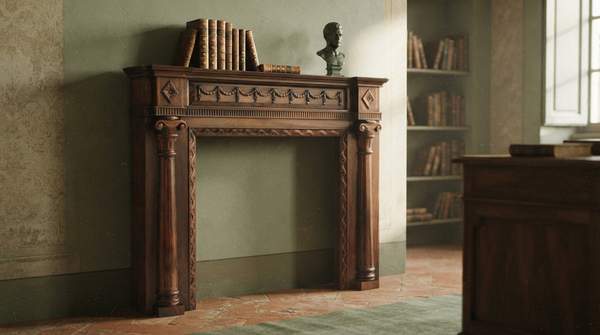
Some avant-garde architects are designing homes with 'sensory rooms' that incorporate specific lighting, soundscapes, and tactile surfaces to evoke particular moods, according to Future Living Magazine. The design of 'sensory rooms' moves beyond traditional architectural constraints to embody individual narratives.

A National Association of Home Builders (NAHB) study indicates a slight but growing preference among younger homebuyers for homes with distinct, themed rooms over entirely open-plan layouts. The experimental push for distinct, themed rooms reflects deeper shifts in how we view our living spaces and our relationship with the built environment.

Why Individuality is Taking Center Stage

Interior designer Sarah Lipton notes clients increasingly reject 'showroom looks' for spaces that tell a personal story, even mixing disparate styles. The rejection of 'showroom looks' signals a widespread search for tangible authenticity.

Social media influencers increasingly showcase 'imperfect' or 'quirky' design choices, shifting from the polished minimalism that dominated for years, according to Influencer Marketing Hub. It counters the perceived sterility and mass-produced uniformity of digital life.

A desire for living spaces that genuinely reflect individual identity, rather than conforming to fleeting trends, is underscored by this collective shift.

The Future of Home Aesthetics

Online marketplaces for custom-made, artisan furniture and decor have seen a 25% year-over-year growth in sales, suggesting a move away from mass-produced items, according to Etsy/CustomMade Reports (2025). Companies that continue to push mass-produced, minimalist home goods risk alienating this growing segment.

Navigating the New Design Landscape

What are the latest trends in unconventional home design?

The latest trends include non-rectangular room layouts, the use of reclaimed industrial waste or mushroom-based composites, and the integration of 'sensory rooms.' Etsy's 2025 trend report showed a 150% surge in searches for 'vintage maximalist decor' and 'bespoke furniture,' indicating a strong move towards unique items.

How can I incorporate unique design elements into my home?

Start by focusing on pieces that tell a personal story, like vintage finds or custom-made furniture. Bold paint colors or patterned wallpaper have seen a 45% surge in sales. A 45% surge in sales of bold paint colors or patterned wallpaper, coupled with a 20% increase in the average budget for personalized interior design services in urban areas over the last three years, suggests professional guidance for unique elements is more accessible than ever.

What are some examples of bizarre architecture?

Bizarre architecture often features asymmetrical facades or structures built with experimental, sustainable materials. A recent architectural competition awarded top prizes to designs prioritizing ecological integration and non-standard material use over traditional aesthetic norms, according to an Architecture Competition Review.