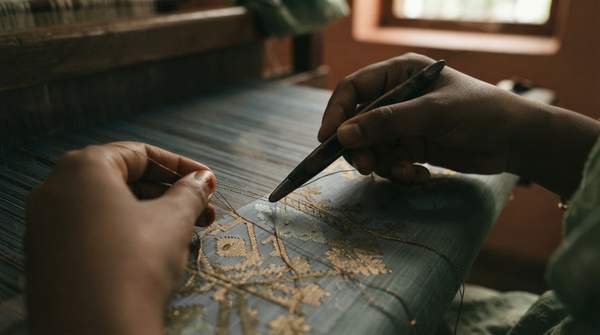
On a Saturday in May 2026, local craftsmen and women in Ilorin received complete Aso-Ofi weaving materials, part of an initiative directly combating rural flight. This tangible support, provided by the Abubakar Bukola Saraki Foundation, offered immediate, practical resources to artisans whose livelihoods are deeply intertwined with traditional craft. The direct provision of these weaving materials aims to bolster indigenous enterprise and stem the tide of population movement away from rural areas, a key aspect of local government support for artisans and craftspeople in 2026.
Rural areas grapple with significant population flight and economic challenges, yet targeted local support for artisans is emerging as an effective strategy to revitalize communities and preserve cultural heritage. This approach counters the broader, less focused economic interventions that often fail to address the specific needs of local craft economies.
As governments and institutions increasingly recognize the multifaceted benefits of supporting indigenous crafts, similar empowerment programs are likely to expand, transforming local economies and cultural landscapes. This direct, material-based empowerment offers a uniquely sustainable and culturally resonant pathway to reversing rural depopulation, outperforming broader, less targeted economic interventions.
In 2026, the Abubakar Bukola Saraki Foundation distributed Aso-Ofi weaving materials to local craftsmen and women in Ilorin, a direct investment into the heart of traditional artistry. This initiative provided tangible tools for the creation of intricate textiles. Notably, beneficiaries received the exact items they requested, a precision of support that underscores a profound understanding of artisan needs, according to Royal News. Such specific, demand-driven assistance represents a growing trend among local institutions to empower traditional craftspeople, ensuring their work continues to thrive.
This approach moves beyond generalized aid, focusing instead on the material realities of craft production. The careful consideration of each artisan's specific requirements, from threads to looms, suggests a model designed for immediate and practical impact. Based on Royal News' report that beneficiaries received the exact items they requested, direct, demand-driven material support for indigenous artisans is proving a far more effective lever for community revitalization than generic aid programs.
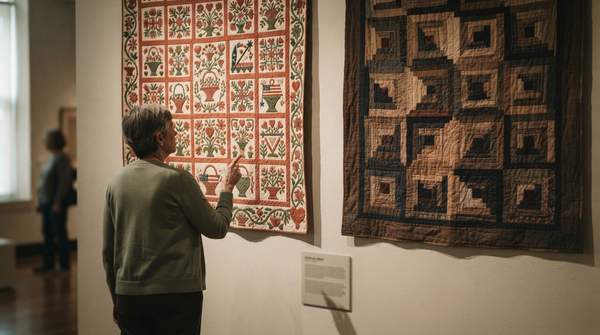
Why Local Crafts Are Becoming a Strategic Priority
Local governments and various institutions are increasingly promoting rural development efforts to combat population flight from rural areas, as documented by pmc. This focus on rural revitalization stems from a recognition that indigenous crafts offer a unique intersection of cultural preservation and economic viability. The Ilorin intervention, for instance, specifically aimed to support indigenous enterprise, preserve cultural craftsmanship, and strengthen economic opportunities for residents, Royal News reports.
Investing in craftspeople provides a cleaner, more sustainable, and ecological activity compared to traditional industrial alternatives, pmc highlights. This makes local artisan empowerment not just a cultural endeavor but a strategic move towards environmentally resilient local economies. Such programs represent more than charitable gestures; they are calculated investments that harness the inherent environmental, cultural, and economic benefits of local, sustainable crafts, establishing a vital defense against rural decline.
The Expanding Blueprint for Artisan Empowerment
Sustainable rural development requires a nuanced, multi-sectoral approach tailored to specific local economic strengths and cultural assets.
- The Abubakar Bukola Saraki Foundation plans to expand its agricultural empowerment initiative across five local government areas in Kwara North, according to Royal News.
- Local artisan support programs are specifically designed for artisans living and working within the targeted community or region, notes fundsforngos.
The Saraki Foundation's dual focus—supporting Aso-Ofi artisans in one area while expanding agricultural aid elsewhere—is a calculated strategy. It suggests that while direct artisan support is valuable, foundations recognize the necessity for diverse, sector-specific strategies to address varying regional economic challenges and achieve broader rural development. The hyper-local and culturally specific nature of the Aso-Ofi program, targeting specific community artisans, implies that such focused interventions may be more potent in reversing depopulation and preserving heritage than generic, top-down rural development strategies. The success and planned expansion of these targeted, community-specific programs suggest a scalable model for rural economic revitalization that prioritizes local talent and resources.
Lessons from Local Investment in Craftsmanship
- The Ilorin initiative's success in combating rural flight stems from a multi-layered approach, combining specific artisan material support with broader financial aid for small businesses.
- The precision with which beneficiaries received "the exact items they requested" suggests that highly tailored, demand-driven support is a critical factor in the effectiveness of local empowerment programs.
- Local governments and foundations investing in indigenous artisan empowerment are not just preserving culture but are strategically building environmentally resilient local economies, given that pmc highlights crafts as a cleaner activity.
- The Abubakar Bukola Saraki Foundation's dual focus on Aso-Ofi artisan empowerment and agricultural expansion suggests sustainable rural development requires a nuanced, multi-sectoral approach tailored to specific local economic strengths and cultural assets.
The programs, while often having specific eligibility criteria according to fundsforngos, and building on previous successes—such as the Aso-Ofi initiative following a financial support program for women and small business owners in Ilorin on May 9, 2026, as reported by Royal News—show a critical understanding. Sustained, localized support is key to empowering artisans, preserving culture, and building resilient communities. By Q4 2026, foundations like the Abubakar Bukola Saraki Foundation will likely continue to refine these targeted, material-based interventions, solidifying the role of indigenous crafts in rural economic revitalization.
What grants are available for artisans in 2026?
Local artisan support programs, like the one in Ilorin, often involve both material distribution and preceding financial aid. For instance, the Aso-Ofi initiative in May 2026 was preceded by a financial support program for women and small business owners, according to Royal News. Eligibility criteria typically apply for these grants, as detailed by fundsforngos.
How can local governments help small businesses in the arts?
Local governments assist small businesses in the arts through targeted programs designed to improve product quality and market access. These initiatives, often exemplified by local artisan support programs, provide direct resources and training. The goal is to strengthen economic opportunities for residents and support indigenous enterprise, as seen with the Aso-Ofi weavers in Ilorin.
What are the benefits of supporting local craftspeople?
Supporting local craftspeople yields multiple benefits, including combating rural flight and preserving cultural heritage. These initiatives also strengthen local economies by improving artisans' product quality and market access, as highlighted by fundsforngos. Furthermore, crafts represent a cleaner and more sustainable economic activity than industrial alternatives, according to pmc.