
Historic Preservation
5 articles
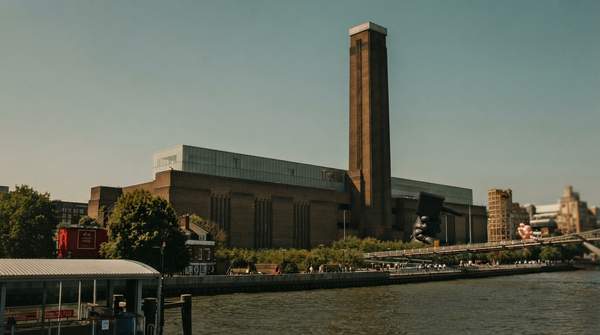
From Facadism to Full Integration: How to Judge Whether a Historic Building Can Be Adaptively Reused
Adaptive reuse involves redesigning historic buildings for new functions, balancing economic, social, cultural, environmental, and governance factors. This article presents a four-part framework to assess project viability, considering stakeholder collaboration, financial feasibility, technical/regulatory aspects, and preservation principles.
Navigating Historic Preservation: How National and Local Societies Influence Property Designations, Renovations, and Funding
Understanding the roles of national and local historic preservation bodies is crucial for owners navigating property designations, renovation guidelines, and financial aid. These organizations collectively guide the stewardship of architectural heritage, offering recognition, setting standards, and facilitating access to preservation resources.

Modernizing Historic Properties vs Preserving Architectural Integrity: A Delicate Balance
The Minnesota Capitol building is undergoing a $272 million renovation project, a stark reminder that even our most cherished historic structures demand significant investment to remain functional and

National Historic Preservation Act: Exemptions & Impact
Despite the National Historic Preservation Act's mandate for federal agencies to consider historic properties, the White House, U.S.

What are Southern estate architectural styles and why is preserving them important?
In Charleston, a 200-year-old antebellum mansion recently underwent a $15 million restoration.