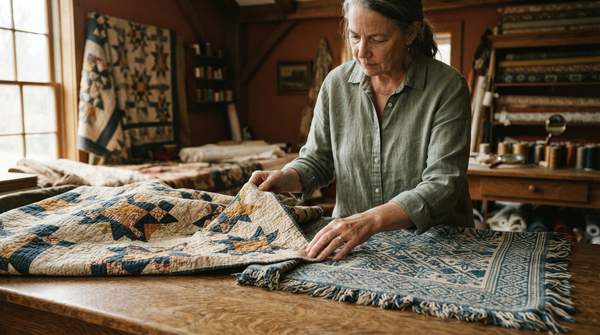
New England’s identity is deeply woven into its handcrafted goods, where timeless elegance and rustic charm reflect the region’s rich history and stunning landscapes. For those seeking to bring a piece of this heritage home, the journey is as much about the story behind an object as the object itself. The region’s enduring traditions, from pottery shaped by the Arts and Crafts movement to ropework born from maritime necessity, give rise to items of functional beauty. Finding them is an exploration in itself, with authentic pieces accessible through a variety of venues. Whether browsing a bustling holiday market, a thoughtfully curated shop, or an artist’s open studio, the right destination depends on the experience you seek.
Discovering New England's Handcrafted Heritage
The character of New England home goods is shaped by generations of artistry, with historical currents leaving a particularly strong imprint on the objects that fill its homes. The region’s design ethos harmoniously blends timeless elegance with modern sensibilities, resulting in spaces that feel both inviting and full of character. This aesthetic is not accidental; it is the product of a long history of craftsmanship, from the symmetrical designs of the Federalist era to the coastal charm of Cape Cod style. Across these periods, a consistent appreciation for quality, natural materials, and functional design has defined the region’s creative output. This enduring spirit of craftsmanship connects the past to the present, making the search for a handcrafted piece of furniture or pottery a way of participating in a living tradition.
Maritime & Coastal Crafts: Echoes of the Sea
Many of New England’s most iconic craft traditions are deeply tied to the sea, where the practical skills of fishing and boating have long intersected with artistry. This coastal heritage, born from a world of working wardrobes and visual codes, has produced a distinct category of home goods. Well-known staples like sturdy canvas bags and classic rope bracelets emerged directly from this intersection of necessity and skill. But the tradition extends to more delicate and intricate work as well. In some coastal communities, artisans continue to practice the craft of hand-tying nets, a technique that requires antique netting needles and wooden mesh boards.
One practitioner, Stephanie Crossman, learned the method from a 92-year-old master, continuing a local legacy. She explains that the process is far more refined than many imagine, sharing similarities with the delicate art of lacemaking. These objects carry the story of the coast, shaped by both the rugged demands of the ocean and the quiet patience of the maker.
Arts and Crafts Movement: Functional Beauty
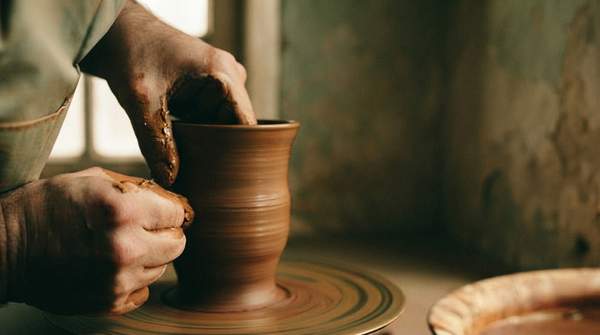
Further inland, another powerful design philosophy took root and continues to influence regional artisans. The Arts and Crafts movement, which flourished in the late 19th and early 20th centuries, reshaped New England interiors with its core principles. According to an analysis by Curated Interior, the movement emphasized "handcrafted quality, natural materials, and the beauty of functional design." This philosophy resonated deeply with the region’s existing ethos of craftsmanship, which was itself rooted in an industrial past that valued skill and utility. The movement’s influence is still visible today in the clean lines of reclaimed wood furniture and the simple, elegant forms of handcrafted pottery. These pieces blend seamlessly into both modern and traditional homes, celebrating the essence of New England living by finding beauty in purpose and honesty in materials.
Choosing Your New England Craft Shopping Experience
Finding the perfect handcrafted piece depends on knowing where to look. New England offers a range of shopping environments, each with a distinct character, selection, and level of interaction with the makers themselves. From the broad variety of a large festival to the focused aesthetic of a curated shop or the educational intimacy of a craft school, your choice of venue can define your search. A large festival offers a bustling, one-stop opportunity to see a diverse collection of makers, while a curated shop provides a more focused experience based on a specific theme or regional tradition. For those seeking a deeper connection, visiting a craft school or an open studio allows for direct engagement with artisans, offering a rare chance to witness their creative process.
| Venue Type | Typical Crafts Found | Shopping Experience | Example/Focus |
|---|---|---|---|
| Large Seasonal Festivals | A wide array of handmade goods, including pottery, woodwork, home decor, jewelry, candles, and specialty foods. | A bustling, festive atmosphere, often with live music, offering a one-stop opportunity to browse a diverse collection of makers. | The "Handmade in New England, A Holiday Market" in Haverhill, MA, brings together numerous artisans for a seasonal event. |
| Curated Artisan Shops | A thoughtfully selected collection based on a specific theme, such as American craftsmanship or regional traditions like farm-to-fiber. | A focused and often quieter shopping experience where goods are presented with a strong curatorial vision. | Muriel's studio and shop in North Hero, VT, centers on the area's farm-to-fiber landscape. |
| Craft Schools & Open Studios | Specialized items directly related to the school's or artist's focus, such as weaving, ceramics, or woodworking. | An intimate and educational opportunity to meet artisans, witness their creative process, and purchase work directly from the source. | Haystack Mountain School of Crafts in Deer Isle, ME, occasionally opens its studios to the public for a rare look at artists at work. |
Prominent New England Craft Festivals and Markets
For those who appreciate variety and a vibrant atmosphere, large-scale craft festivals are a cornerstone of the New England artisan scene. These events gather a multitude of makers in one place, offering an unparalleled opportunity to discover a wide range of goods in a single visit. A prominent example is the Handmade in New England, A Holiday Market, held in Haverhill, Massachusetts. According to Historic New England, this event features a "thoughtfully selected collection of handmade goods from talented New England makers." Scheduled for late November 2026, the market showcases everything from pottery and jewelry to home goods, artwork, and holiday decor.
Shoppers can find one-of-a-kind gifts and treasures while enjoying live music, making it a comprehensive and festive experience. Such markets serve as vital platforms for artisans and provide a direct way for the public to engage with and support the region's creative economy, all within a lively, celebratory setting.
Finding Your Authentic New England Piece
To successfully find and purchase authentic New England handcrafted home goods, readers should first identify their shopping priority (e.g., variety, direct interaction, specific aesthetic) and then select a venue type (large festival, curated shop, or craft school/open studio) that aligns with that goal. If the aim is to see the broadest possible selection in a single trip, a large seasonal festival is an ideal choice. For those seeking a specific aesthetic or a more tranquil environment, a curated artisan shop offers a focused collection.
Finally, for a deeper connection to the craft itself, visiting a craft school or an open studio provides a unique chance to meet the makers and understand their process. The reader successfully identifies a specific craft tradition or type of home good they are interested in and selects a suitable venue type or event from the article's recommendations for their next shopping trip.
Sources
- Exploring New England’s Craft Traditions — Yolo Journal
- 10 Design Tips to Capture Classic New England Interior Design in Your Home - — Homeedit603
- A Classic New England Home Interior Design Guide — Curated Interior
- Handmade in New England, A Holiday Market — MY