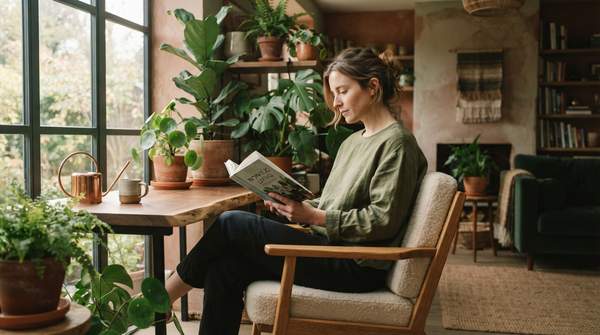
Biophilic design is the practice of reconnecting people with the natural world within the built environment. This approach is rooted in the concept of biophilia—what interior designer Erica McLain describes as "the deep evolutionary bond between humans and nature." It seeks to restore balance, calm, and vitality to our indoor spaces by thoughtfully integrating the principles and patterns of the natural world. For homeowners, this philosophy offers a path to creating a living space that is not only aesthetically pleasing but also deeply supportive of well-being, cognitive function, and emotional balance. Far more than simply adding a few houseplants, it is a holistic strategy for designing environments that feel restorative and inherently human, using elements like natural light, organic forms, and materials that echo the outdoors.
Understanding Biophilic Design: Connecting with Nature at Home
The central purpose of biophilic design is to create spaces that respond to our profound and instinctive biological need to interact with nature. This connection can yield tangible benefits, helping to support emotional balance and daily restoration. By incorporating natural elements into a home, it is possible to lower levels of cortisol, the body's stress hormone, which can lead to reduced anxiety and a greater sense of calm. The goal is to cultivate a healing environment that supports well-being on an instinctive level, re-establishing a bond with nature that has existed for millennia.
This design philosophy can manifest in many ways, from large windows that frame views of greenery to the use of wood and stone finishes. Rather than being a superficial layer of decoration, biophilic strategies are integrated into the very structure and planning of a home. These elements work in concert to create environments that feel both calming and restorative. For example, maximizing natural light with skylights or glass doors not only brightens a room but also helps regulate circadian rhythms, which can improve sleep and mood. Similarly, layouts that promote natural airflow and seamless indoor-outdoor transitions create a home that feels both secure and stimulating, offering a balanced mix of discovery and shelter.
Direct vs. Indirect Nature: Layering Experiences
A foundational concept in biophilic design is understanding the two primary ways to incorporate nature into your home: through direct and indirect experiences. Thoughtfully layering both allows for a richer, more effective design, which is especially valuable in urban homes or apartments where access to the outdoors may be limited. This approach ensures that even without a sprawling garden, you can cultivate a powerful connection to the natural world.
According to an explanation from The Stem, direct experiences are those where you can physically interact with authentic natural elements. This includes having indoor plants that you can see and touch, feeling the warmth of sunlight streaming through a window, or having a clear view of trees, a garden, or the sky outside. These elements provide a tangible, real-time connection to the living world, engaging the senses in an immediate and authentic way.
Indirect experiences, on the other hand, are representations of nature. These are symbolic references rather than the living thing itself. Examples include using natural materials like wood or stone for furniture and finishes, incorporating organic shapes and patterns in textiles or art, or displaying a photograph of a forest. These elements evoke the feeling of nature and can be powerful tools for creating a biophilic environment. By combining a few potted plants (direct) with a wooden coffee table and a rug featuring a leaf pattern (indirect), you can create a multi-layered space that feels deeply and consistently connected to nature.
Your Personalized Biophilic Design Action Plan
To effectively apply biophilic design, it is helpful to first identify your primary goal for a particular space. A report from the design and consulting firm Terrapin Bright Green emphasizes the importance of understanding the health and performance priorities of the people using the environment. Are you looking to create a calm sanctuary for relaxation, a focused workspace, or a secure and comforting living area? By defining your intent, you can select specific design patterns that align with your desired outcome. The following framework connects these goals to biophilic patterns and offers practical ideas for implementation.
| Desired Well-being Goal | Relevant Biophilic Pattern | Simple Application (Low-effort) | Involved Application (Higher-effort) |
|---|---|---|---|
| Stress Reduction & Calm | Visual & Non-Visual Connection with Nature | Place a few potted plants in your line of sight. Use an essential oil diffuser with calming scents like lavender. Add a small tabletop fountain for the sound of trickling water. | Install larger windows or glass doors to frame an outdoor view. Create a dedicated indoor plant wall or a significant grouping of plants to purify the air and provide a strong visual link to nature. |
| Improved Focus & Creativity | Biomorphic Forms & Material Connection with Nature | Incorporate textiles like cushions or throws with patterns from nature (e.g., leaves, waves). Use natural materials for decor, such as a wooden bowl or a stone coaster. | Choose furniture with organic, curved shapes instead of hard lines. Install natural flooring like hardwood or cork. Use wood or stone for countertops or accent walls to create a rich tactile environment. |
| Feeling of Safety & Refuge | Prospect & Refuge | Arrange a cozy reading nook in a corner with a comfortable chair, soft lighting, and a plush blanket. Use sheer curtains that allow light in while providing a sense of privacy. | Create distinct zones within an open-plan space using furniture or screens to build a sense of enclosure. Design a seating area, like a window seat, that offers a broad view of the room or outdoors from a protected spot. |
Engaging All Senses: Beyond the Visual
A truly immersive biophilic environment engages more than just the sense of sight. By incorporating sound, scent, and touch, you can create a space that feels more deeply connected to the natural world. These non-visual elements are powerful tools for enhancing the calming and restorative qualities of your home, transforming it from a place you simply look at to a place you fully experience.
Natural sounds can have a profound soothing effect, helping to mask distracting urban noise and create a tranquil atmosphere. A small tabletop fountain provides the gentle, constant sound of trickling water, which many find inherently calming. Alternatively, a sound machine can play recordings of birdsong, rainfall, or ocean waves, filling your home with the auditory textures of a natural landscape.
Scent is also a potent way to connect with nature, capable of evoking memories and shifting moods. Essential oil diffusers can introduce calming natural fragrances like lavender, eucalyptus, or peppermint into your living space. These scents can help reduce stress and evoke the feeling of being in a forest, a field of flowers, or by the sea, reinforcing the connection to the natural world on an olfactory level.
Finally, incorporating a variety of natural textures invites touch and enhances the sensory experience of a room. This tactile connection is a crucial part of biophilic design. Think of the smooth, solid feel of a wood coffee table, the intricate weave of a rattan side table, or the organic form of a woven light fixture. Textiles made from natural fibers like cotton, linen, wool, or jute add tactile comfort and warmth, making your home a more inviting and grounding place to be.
Transform Your Home, Enhance Your Well-being
By systematically integrating natural elements, patterns, and sensory experiences, homeowners can effectively apply biophilic design principles to create a more calming, health-supportive, and aesthetically pleasing living environment. The process begins with identifying a personal well-being goal for your space—whether it's reducing stress, boosting creativity, or fostering a sense of security—and then selecting the corresponding design patterns to bring that vision to life. By layering direct and indirect connections to nature and engaging all the senses, you can transform your home into a restorative sanctuary. The success of these efforts can be measured by a noticeable improvement in personal mood, focus, and overall sense of calm within the home environment.
Sources
- Biophilic Design Is the Signature Style of Plant Lovers Everywhere — House Beautiful
- 6 Simple Ways To Incorporate Biophilic Interior Design To Enhance Your Home — Jay Scotts Collection
- What Is Biophilic Design? And How to Use It in Your Home — The Stem
- 14 Patterns of Biophilic Design — Terrapinbrightgreen
- Easy Ways to Add Biophilic Design into Your Home - A Life Unfolding — Alifeunfolding