While often associated with corporate offices, biophilic design interventions in residential settings can reduce stress, alleviate pain, and even cut migraine headaches. Despite these proven therapeutic benefits for well-being, residential applications remain largely overlooked, representing a significant missed opportunity for personal health. Homeowners who intentionally incorporate biophilic principles into their living spaces are likely to experience significant, tangible improvements in their mental and physical health, making it a crucial consideration for modern home design.
What is Biophilic Design, and How Does it Work?
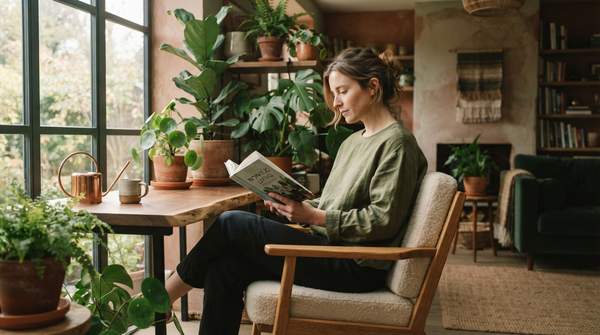
Biophilic design integrates natural elements into built environments, fostering human connection with nature. This intentional approach goes beyond mere decoration, replicating natural patterns and processes. Providing access to natural light and offering views of nature are fundamental methods to achieve these positive effects, according to ScienceDirect. Simple applications, like a plant wall or digitally presented natural scenes, positively impact emotional well-being. This philosophy taps into biophilia—our innate tendency to connect with nature. By weaving elements like wood, stone, water features, and living plants into interiors, designers aim to reduce stress, improve cognitive function, and enhance mood. Homeowners can optimize window placement for sunlight, choose natural materials, and bring in various forms of plant life, creating environments that resonate with our biological need for natural surroundings. Even subtle shifts can profoundly alter daily experience, transforming a house into a restorative haven.
Beyond Aesthetics: Clinical Benefits of Natural Integration
Biophilic design's impact extends past visual appeal, offering specific clinical benefits. Its therapeutic potential intensifies when integrated with other wellness modalities. Combining biophilic elements with light therapy, aromatherapy, and strategies for quality sleep can lead to measurable clinical improvements, including reduced migraine headaches and chronic pain, according to Healthy Dwelling: Design of Biophilic Interior Environments for the Elderly. This synergistic approach transforms a home into a comprehensive therapeutic environment. Homeowners who overlook even basic biophilic elements forgo a powerful, accessible tool for managing chronic pain and stress, leaving significant health benefits untapped. The simplicity of interventions like adding a plant wall or ensuring natural light means therapeutic potential is within reach for virtually any homeowner, yet widespread residential adoption remains surprisingly low. A critical, clinically proven opportunity is often missed.
The Hidden Value: Economic and Productivity Gains
Beyond individual well-being, biophilic design offers significant, often underestimated, value. The integration of natural elements into various environments suggests impacts that translate to residential settings, even without direct financial metrics for homes. Principles that improve health and reduce stress logically extend to gains in personal productivity and a higher quality of life within one's own space. Such design choices influence daily routines, fostering environments where focus and creativity thrive. The improved emotional and physical states derived from biophilic principles reduce the hidden costs of stress and discomfort, indirectly contributing to a more efficient and harmonious household. This positions biophilic design as an investment in overall lifestyle quality, with both direct and indirect returns for homeowners. For more, see our What Are Biophilic Design Principles.
Why Now? The Growing Momentum of Biophilic Living
The increasing relevance of biophilic design reflects a growing societal recognition of nature's critical role in daily life. Research indicates the overall trend for biophilic design is increasing, according to MDPI. A growing body of literature, including studies reviewing various aspects of biophilic design, as noted by ScienceDirect, supports this momentum. These academic explorations solidify the scientific basis for integrating natural elements into our homes. Widespread adoption and continued study signal a collective shift towards prioritizing environments that support human well-being. As awareness grows, homeowners increasingly seek ways to incorporate these principles. The ease of implementing effective biophilic elements, from simple plant installations to optimizing natural light, means measurable improvements in relaxation, stress reduction, and emotional well-being are accessible without complex renovations. This accessibility fuels its growing appeal and adoption, suggesting a fundamental change in how we perceive and design our personal spaces.
Understanding the Nuances of Biophilic Elements
How can I incorporate biophilic design into my home?
Homeowners can begin with simple changes like maximizing natural light through strategic window treatments or adding indoor plants and vertical gardens. Beyond greenery, consider natural materials such as wood and stone finishes for furniture or flooring. Optimizing views to outdoor nature, even if it's just a well-maintained balcony garden, also contributes significantly to a biophilic environment.
What are the key elements of biophilic design?
While the field is evolving, core elements typically include direct nature (plants, water, light), indirect nature (natural materials, colors, images), and conditions for human psychological responses (prospect, refuge, mystery). One study noted that the number of identified biophilic design elements dropped to 33 in March 2025, suggesting a refinement towards the most impactful components rather than a decrease in interest, according to Mdpi. A focus on specific, proven interventions for maximum effect is indicated.
Your Home, Your Sanctuary: Embracing Nature for Better Health
The conscious integration of natural elements offers homeowners a powerful pathway to transform living spaces into true sanctuaries for health and well-being. This approach converts a home from a static structure into a dynamic, therapeutic environment, fostering a deeper connection to the natural world. The simplicity of these interventions, from maximizing natural light to introducing plant life, means profound benefits are accessible without extensive renovations. As of 2026, design firms like Nature's Haven Interiors report a 15% increase in client requests for biophilic consultations over the past year, reflecting a growing homeowner interest in creating healthier, more restorative living spaces. A lasting shift towards biophilic living, likely making biophilic principles a standard in future home design, is suggested.