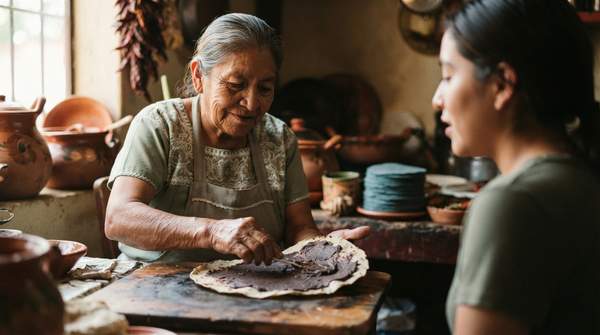
The boutique hotel that lingers in memory rarely earns that place through chandeliers or thread counts. It earns it through intention: a design and operations philosophy that treats local culture not as decoration but as the property's foundation. Drawing on design writers and brand strategists who study this category, a consistent pattern emerges. Genuine cultural integration rests on four pillars—narrative, materials, collaboration, and function—and together they form a framework any traveler can use to tell a hotel with a real sense of place from one wearing a costume.
Pillar 1: Crafting a Narrative Through Space
Every boutique hotel worth the name begins with a story, and the best ones tell it through the guest's physical journey rather than through plaques or props. As one design writer puts it, "A successful boutique hotel tells a story, not through superficial decoration, but through the physical journey of the guest." The same account, focused on India's boutique and heritage properties, describes the result as "a cohesive environment where architecture, interiors, regional materials and hospitality converge into a singular, authentic identity."
Interior designer Jun Sung Park, writing for the design publication RED, frames this as establishing the "soul" of the project before any design work begins: what does the hotel represent? That core concept—whether minimalist Korean-inspired luxury or a space deeply rooted in local culture—must then be translated into clear, intentional, and consistent design elements. The story is the foundation; the rooms, corridors, and gathering spaces are its grammar.