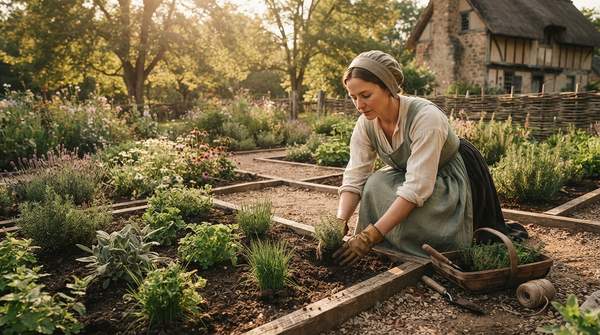
Native oak trees alone cradle over 500 species of caterpillars, a vibrant nursery compared to the mere 5 species hosted by popular Asian ginkgo trees, according to Audubon. The stark difference in species hosted by native oak trees compared to Asian ginkgo trees lays bare the profound impact a single tree species wields over a local ecosystem's intricate web of life. What we choose to grow in our backyards sends ripples through the entire food chain, dictating the survival of countless insects and the birds that depend on them.
Homeowners often prioritize aesthetic uniformity and low perceived effort in their yards. However, traditional lawns actively harm local ecosystems and require significant chemical intervention. This focus on a pristine green monoculture inadvertently creates biological deserts, undermining the very biodiversity natural spaces are meant to foster.
As ecological awareness grows and native plant availability expands, naturalist gardening is poised to become a mainstream movement. This shift moves landscape design from purely ornamental to ecologically functional, offering an immediate and potent solution to ecological collapse in homeowners' own backyards.
The Hidden Crisis in Our Backyards
The widespread decline of plant species signals a critical ecological emergency, but accessible solutions exist within home gardens.
- 845 — A median of 845 plant species are red-listed across German federal states, with 41% amenable to gardening, according to PMC. A significant portion of endangered flora could find refuge and recovery through intentional cultivation, transforming private plots into vital sanctuaries.
- 14% — Just 14% of native plants function as keystone species, yet they nourish 90% of butterfly and moth lepidoptera species, according to the National Wildlife Federation. Just 14% of native plants, functioning as keystone species, can disproportionately restore ecological health, offering a tangible, powerful solution to widespread plant endangerment.
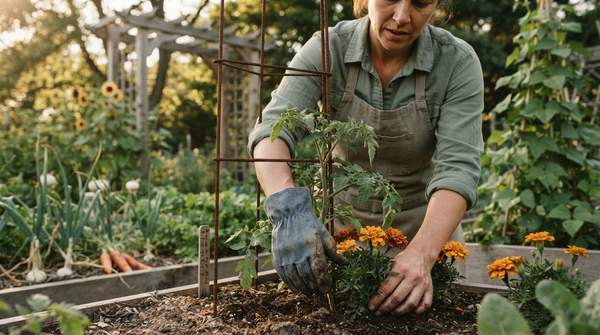
Building a Living Ecosystem, One Plant at a Time
Specific native plants serve as critical hubs, providing essential food and habitat that anchors local food webs.
| Plant Type | Ecological Role | Supported Species (Caterpillars/Bees) |
|---|---|---|
| Native Oak Species | Keystone host plant | Over 550 caterpillar species in one region |
| Goldenrods | Host plant and pollen source | Over 100 caterpillar species; Over 20 pollen specialist bee species |
Data on supported species from the National Wildlife Federation.
Specific native plants, such as native oak species and goldenrods, serve as critical hubs, providing essential food and habitat that anchors local food webs. The presence of these foundational plants ensures the survival of countless insect populations, which in turn sustain birds and other animals higher up the food chain.
The Cost of the Conventional Lawn
The perceived low effort of traditional lawn care masks a profound environmental cost, actively undermining local biodiversity. The traditional suburban lawn carries 10 times more chemical pesticides per acre than farmland, according to Audubon. The traditional suburban lawn's intensive chemical use poisons the very ground meant to be a natural space, creating an environment hostile to beneficial insects and vital soil health.
Audubon's data reveals that homeowners maintaining traditional lawns inadvertently contribute more chemical pollution to their local ecosystems than industrial agriculture, trading perceived tidiness for profound environmental damage. The chemical assault from traditional lawns disrupts the delicate balance vital for insect populations, which are the very bedrock for other species' survival. Consider: it takes over 6,000 caterpillars to raise one brood of chickadees, according to Audubon. Without the host plants that support these caterpillars, bird populations face severe declines. The conventional lawn, far from benign, becomes an ecological desert, actively harming biodiversity and fracturing the food chain. Shifting to native plants becomes a matter of survival for countless species.
A Growing Movement: Industry Recognition and Public Adoption
The landscape architecture profession is increasingly recognizing the critical importance of native, biodiversity-focused designs. The American Society of Landscape Architects (ASLA) announced 35 professional award winners for the 2026 ALSA Professional Awards, according to the American Society of Landscape Architects. The 35 professional award winners for the 2026 ALSA Professional Awards underscore a growing industry embrace of sustainable and ecologically sound practices.
Further, the ASLA / International Federation of Landscape Architects (IFLA) Global Impact Award went to The Four Coasts Project, an interdisciplinary collaboration with the U.S. Army Corps of Engineers, according to the American Society of Landscape Architects. High-profile projects like Chicago's Lurie Garden at Millennium Park, a Landmark Award recipient, are also lauded for their urban landscape architecture, native-plant gardening, sustainable horticulture, and insect-and-bird-focused research, as reported by the American Society of Landscape Architects. The surge in awards and high-profile projects, including The Four Coasts Project and Chicago's Lurie Garden, marks a significant shift in landscape architecture, moving ecologically informed, native-plant-centric design from niche interest to mainstream acclaim.
Your Role in the Ecological Revival
Reversing local biodiversity loss is an immediate, actionable choice for any homeowner.
- Approximately 66% of the identified conservation gardening species (650 species) are already available for purchase, according to PMC.
The readily available supply of native keystone plants, highlighted by PMC and the National Wildlife Federation, means reversing local biodiversity loss is not a distant scientific endeavor. It is an immediate, actionable choice for any homeowner with a shovel and a desire to make a tangible impact. The widespread availability of native keystone plants empowers individuals to directly contribute to conservation, transforming personal green spaces into vibrant ecological havens. Choosing native species reduces the need for chemical interventions, fosters local wildlife, and creates resilient garden designs that promote biodiversity and sustainable living.
If current trends in ecological awareness and native plant availability continue, our backyards appear poised to transform from sterile green carpets into vibrant, essential havens for biodiversity, fundamentally reshaping the very definition of a beautiful home.