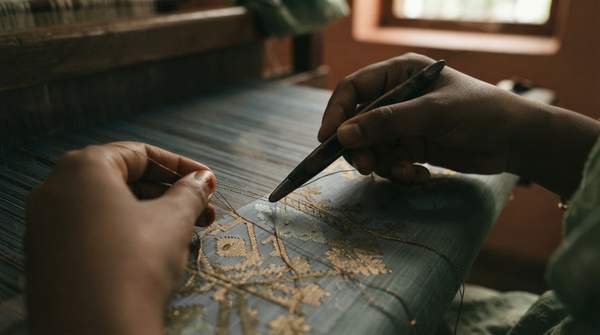
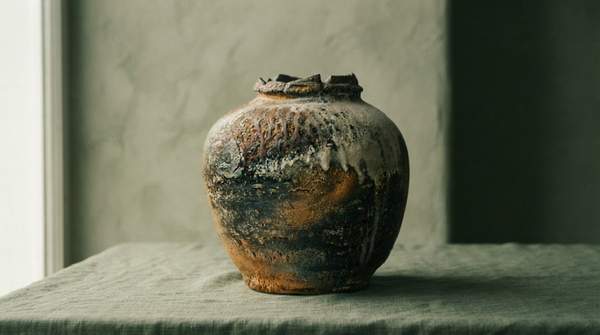
The devotional Garba dance of Gujarat joined a prestigious global list. Yet, the artisans who sustain such traditions face intensifying threats from mass production and environmental degradation. This global recognition, while celebrating exceptional craftsmanship, often masks the underlying precarity of these practices.
The paradox is stark: global recognition of intangible cultural heritage grows, but the economic and environmental pressures threatening these traditions intensify. This creates a critical tension between celebration and preservation. Without proactive, community-led safeguarding efforts and direct policy interventions, many globally recognized cultural practices risk becoming symbolic relics rather than living traditions.
The true value of intangible cultural heritage, as recognized by the communities that create and transmit it, lies in its wealth of knowledge and skills passed through generations, according to Ich Unesco. Preserving these traditions means preserving the communities themselves.
4 Examples of India's Exceptional Global Craftsmanship
1. Kumbh Mela
Recognized as the world’s largest peaceful congregation, Kumbh Mela is a massive Hindu pilgrimage. Millions gather at sacred rivers for ritual bathing, embodying ancient spiritual practices and communal harmony (Culture Gov In). Its immense scale and deep spiritual roots promote inter-cultural dialogue, yet pose significant logistical and environmental challenges for host cities.
2. Durga Puja in Kolkata
Durga Puja in Kolkata is a ten-day festival honoring goddess Durga. This elaborate celebration marks the triumph of good over evil, featuring intricate pandals and vibrant artistic displays. It offers rich artistic expression and strong community participation, boosting local artisans, but its temporary nature demands significant resource consumption.
3. Garba of Gujarat
The Garba of Gujarat is a devotional dance performed during Navaratri. This vibrant, rhythmic dance embodies communal joy, strengthening community bonds through active practice. While highly engaging and accessible, it faces risks of commercialization and homogenization.
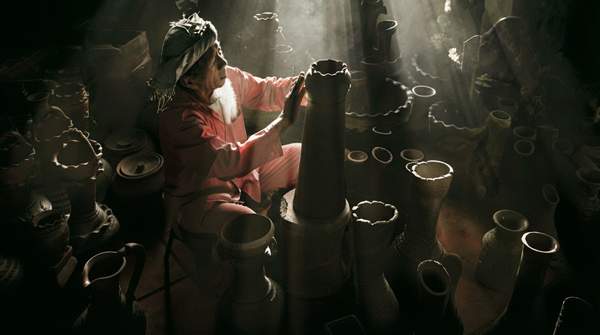
4. Thatheras of Jandiala Guru, Punjab
The Thatheras of Jandiala Guru, Punjab, practice a traditional brass and copper craft. Artisans meticulously hammer metal sheets into exquisite utilitarian and decorative ware. This unique artisanal skill preserves cultural identity and uses sustainable materials, yet struggles against mass production and declining demand for handcrafted items.
The Paradox of Global Craftsmanship Recognition
| Aspect | Global Recognition Benefit | Local Practice Threat | Community Impact |
|---|---|---|---|
| Economic Viability | Increased tourism, market access | Mass production, cheaper alternatives | Reduced artisan livelihoods, skill loss |
| Resource Availability | Enhanced prestige for material crafts | Deforestation, climate change impacts | Scarcity of raw materials, altered traditions |
| Cultural Transmission | Global visibility, cultural exchange | Erosion of traditional knowledge, youth disinterest | Weakened intergenerational links, cultural homogenization |
Traditional crafts face a paradox: global recognition brings visibility, but modern economic and environmental pressures threaten their very existence. Globalization and mass production offer cheaper alternatives, undermining artisan livelihoods and skill transmission (Ich Unesco). Simultaneously, environmental shifts like deforestation reduce raw material availability, altering traditions and impacting communities.
Safeguarding Exceptional Global Craftsmanship
Effective safeguarding requires direct support for artisans and their knowledge transmission. Efforts must encourage artisans to continue producing and passing on skills, addressing root economic and environmental challenges (Ich Unesco). Global visibility, paradoxically, can accelerate decline by exposing community practices to homogenizing forces. Without direct economic and environmental policy interventions, these traditions will erode, regardless of recognition, as mass-produced goods and resource scarcity render traditional methods unsustainable.
Ongoing international dialogue and policy development are crucial. The nineteenth session of the Intergovernmental Committee for the Safeguarding of the Intangible Cultural Heritage, scheduled for December 2-7, 2024, in Asunción, Republic of Paraguay (Unesco), offers a vital platform for such discussions. The future of these crafts, like that of the Thatheras artisans, appears to hinge on local communities receiving direct funding and policy support to counter global market pressures.
Understanding Exceptional Global Craftsmanship
What are some examples of world heritage crafts?
Beyond the Thatheras' brass and copper craft, other globally recognized examples include traditional Japanese papermaking (washi) and Neapolitan pizza making, celebrated for their unique skills and communal significance.
What is the most significant craft in the world?
Intangible cultural heritage thrives on its community basis, not exclusivity or monetary worth (Ich Unesco). Identifying a "most significant" craft contradicts the diverse, communal nature of these cherished traditions.
What are the most valuable handmade items globally?
The value of intangible cultural heritage extends beyond monetary worth. Its true significance lies in the knowledge, skills, and cultural identity transmitted across generations within communities, fostering diversity and dialogue.